Showing posts with label McMinnville. Show all posts

Monday, July 12, 2010

Discover Aliens, Ghosts and Great Wine in McMinnville

McMinnville, Oregon—home to Linfield College, the Evergreen Aviation Museum, the largest annual UFO gathering in the Pacific Northwest (second in the country to Roswell, NM) and a fantastic wine bar or ten. Though I didn’t see any aliens in town that day, I did hear the voice of McMinnville’s past luring me to the couple of tasting rooms I hadn’t yet visited and found myself magically bellied up the bar at the NW Wine Bar.


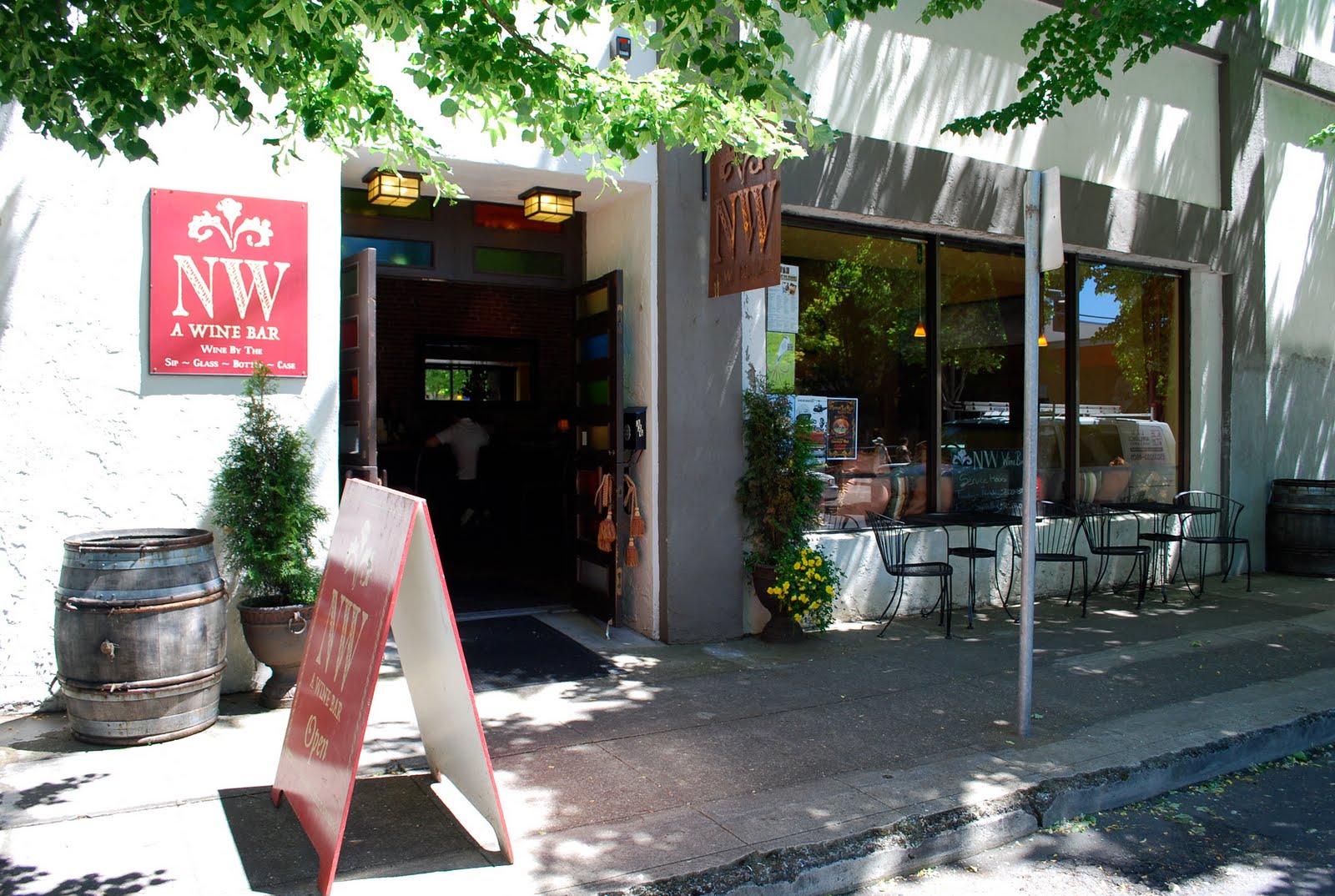
General Manager Jonathan Trusty (JT) described the NW Wine Bar as a tasting room and bottle shop on steroids, which was a fairly accurate description. Located in a spectacularly renovated historic location, with high ceilings, stained glass windows and comfortable seating, the NW Wine Bar’s all pumped up, featuring 25 different Oregon wines (the company produces) from 15 wine growing regions and 55 vineyards. Wines are offered by the sip, glass, flight, bottle or case and a tempting menu of small bites, grilled Panini sandwiches, soups, flatbread pizzas and desserts are available to make the experience complete. JT spoke passionately about being able to open whatever bottle he thinks may dazzle a particular guest, knowing he can then add it to the tasting menu of by-the-glass pours for other guests to enjoy as well.


The NW Wine Company, founded by winemaker Laurent Montalieu (of Solena Grand Cru Estate) in 2003, produces nearly 85,000 cases for over 25 different clients out of the old Mrs. Smith’s pie factory. The wine production facility utilizes some of the most innovative winemaking equipment in the US, including two receiving lines to process the fruit at warp speed, two Europress destemmers, 100% temperature and humidity controlled barrel rooms, rare rotary fermentors and a Ganimede fermentation tank that harvests and utilizes the energy produced in the fermentation process (something I’m still not sure I understand).

The wine bar focuses on educating guests about Oregon wine and JT is as generous with his knowledge as my Jewish mother is with food. While JT tasted me through his vision of the NW Wine Company, it was as if the wines all came together to tell a cohesive, synthesized and colorful story of region, winemaking style and limited production wines that have been crafted, nurtured along and allowed to reach a potential they could never have reached otherwise.

It’s for all these reasons (and more) NW Wine Bar is a must visit on your McMinnville wine tour… exquisite wines, a hospitable staff and a chic, contemporary, yet historic venue to enjoy it all in. One tiny caveat, be ready to shell out more than just a couple of bucks for perfection.


As if going from day to night (so if you decide to do this tour, I’d actually recommend going here first), I next found myself in the Golden Valley Brewery unable to both peel the patrons off me or get the bartender’s attention while I stood there aiming to taste their two house wines. Eventually, I was poured a glass of 2006 Willamette Valley Pinot Noir from Golden Valley Vineyard in a granny wineglass (small and thick), but the first swirl sadly revealed chunks of cork floating around in it. When I pointed this out to the bartender, instead of pouring me a new glass, he took a spoon and fished the cork out for me… so kind. After all that buildup, the wine unfortunately tasted overly oaked (or was it over-corked?).


The 2006 Oregon Big Red was an unmemorable blend of Merlot, Syrah, Cabernet Sauvignon, Cabernet Franc, Sangiovese, Grenache and Pinot Noir. The Golden Valley Brewery’s wines are both made by prominent winemakers whose wines I’ve often enjoyed, however, these I did not. I perused the menu and determined the wine’s not what people come here for. If I choose to visit this place again, I’ll be sure to order some pub food and stick with the beer (they looked mouthwateringly deeelish), you should too. Until we sip again…

Cheers!

Friday, November 27, 2009

Gas and Wine Fill My Day in Oregon's Wine Country

With over 400 wineries in Oregon alone, when planning a trip, how does one go about deciding which to visit? You could listen to friend’s recommendations, consult wine experts or research travel sources. Marketing professionals spend millions of dollars and countless hours trying to understand this decision-making process. The hidden component they can’t factor into their marketing plan is people’s personal experience. Often times decisions are made purely by instinct… you select a certain winery because the name or label struck you in some way… it was odd, it reminded you of your sweet grandmother, it shared the same name as your favorite song or you were drawn to their icon/mascot/symbol. For some reason (beyond wine), you identify with the brand on some level, and that’s why you visit. For me, Stone Wolf Vineyards was such a place.

I’d seen their bottles on the supermarket shelves… I call them “Value Vino”—wines priced to move and drink fast rather than cellar and savor. One look at the magnificent solitary wolf on Stone Wolf’s label though and I’m lured… those eyes. Frozen mid-stride, my heart is flooded with memories of my beloved wolf-dog Shasta… I could be staring into her bright, golden eyes. The wines could have been expensive water and I probably would have still bought them. My motivation had nothing to do with wine but was all about memory and feelings. I carried that notion of emotion with me as I set out for a big day of tasting.

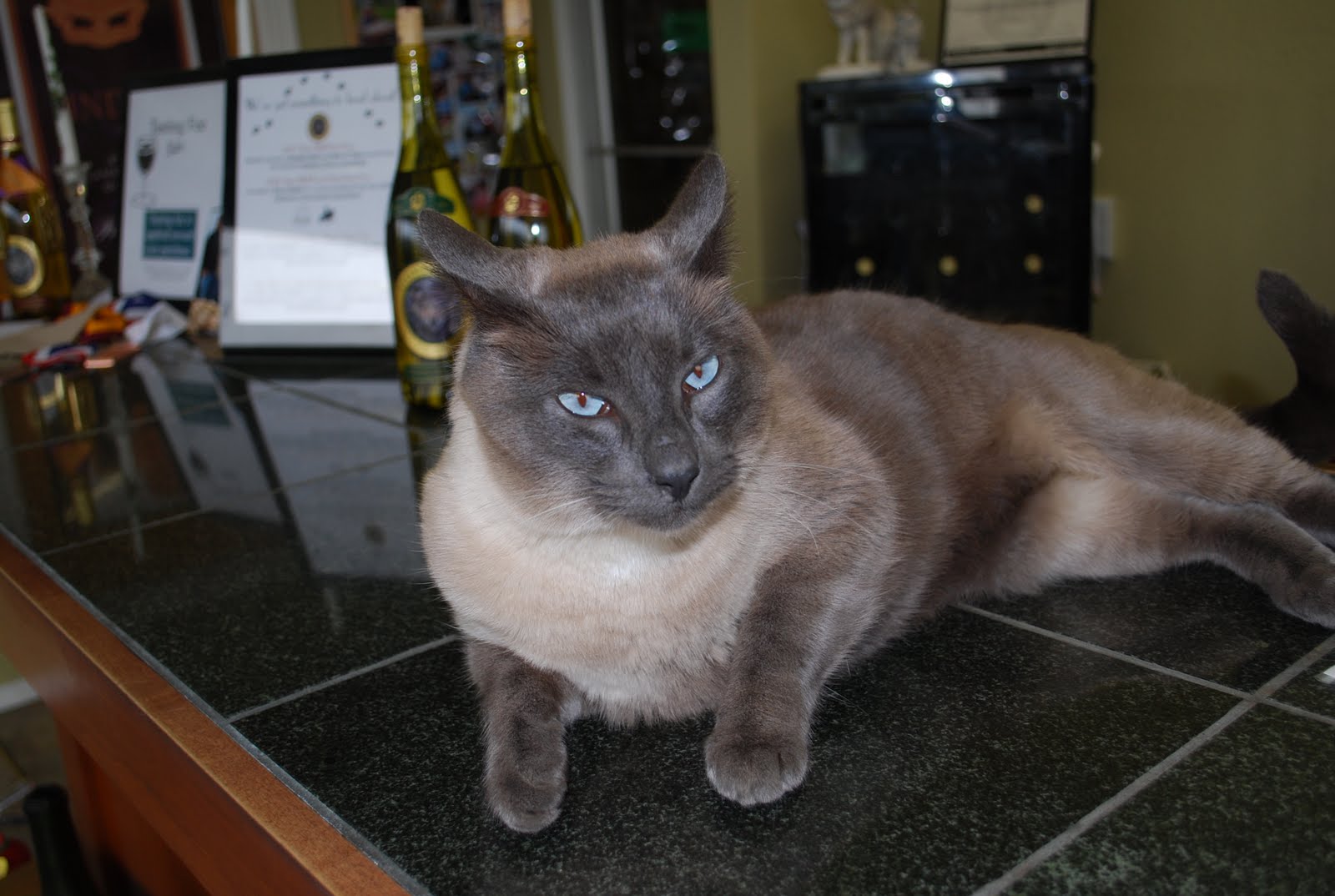
From the moment I pulled into Stone Wolf’s parking lot in McMinnville’s industrial district, you know I had wolf-dogs on the brain—but Frank the cat had other ideas. Frank popped out, as if he had been waiting all morning for me, and started rolling around provocatively at my feet, purring and demanding my attention. After a thorough rub down, Frank and I walked together to the tasting room where I noticed the sign “Winery Cat on Duty” on the door and asked if he could come in with me (all the while he’s looking at me saying, “as if”).

Naturally, Frank hung out with me at (or should I say on) the bar while I tasted, but you won’t hear me complaining about having such a handsome man hanging all over me either. Other than Frank, the only people serving guests in the tasting room are members of the winemaking team and so you’ll find they possess extensive knowledge about their wines. On the down side however, with the team busy during harvest, Stone Wolf closes their doors to visitors for this time. Arriving just after their season’s harvest wrapped up, the tasting room was ready to greet guests and though the little gas stove was pumping heat, the room still had quite a chill to the air.

Linda and Art Lindsay planted their first vines at the 40-acre Lindsay Estate (situated at the base of the Oregon Coast Range west of McMinnville) and began producing Stonewolf wines in 1996. They produce un-complicated, everyday, food-friendly wines that don’t require a celebration to open. An example of their value-driven wine is the 2006 Chardonnay; priced at $13.00. Slightly oaked, with tart citrus, dried white flowers and impressions of vanilla, the wine (even at eleven a.m.) was a straight shooting sipper… and if the weather were warmer, I probably would have bought a case. The 2006 Pinot Noir Legend Reserve was presented with a lovely wax seal (somewhat of a dying art). Linda taught me an important lesson that you don’t need to try to cut or remove the wax before inserting the corkscrew. She says if the winery has done their job correctly, the cork should pull right through… I look forward to trying that. The wine was a luscious ruby color with black cherries, wild raspberries and though the flavors were pretty well integrated, with no one element particularly jumping out, I could discern some rose petals and autumn leaves as well.

The Lindsay’s produce a luxury tier called, appropriately enough, Lindsay, which displays their family crest as its logo. Having a rare opportunity to taste something from the well-received 2002 vintage, I enjoyed the Lindsay 2002 Angus Pinot Noir and as it filled my whole mouth with ripe black plums and black cherries, it left a lovely peppery spice behind. The tannins were soft, the acids were vivid, and the wine still had a solid fruit presence which was screaming, “Drink me!” All the while, Frank was screaming, “pet me” and though I happily indulged in kitty time, I still had wolf-dogs on the brain when I pulled away.

I revisited Anthony Dell Cellars (who was wide open for business with their neon sign telling me so) in the old granary building also housing R. Stuart’s winemaking facility; where a lively weekend marketplace was also taking place in the parking lot (a good draw for the winery). Douglass Anthony Drawbond and Joy Dell Means are the middle names behind the boutique brand (and everything else behind the bottle as well). Producing less than 1,000 cases, Joys says Anthony Dell’s admittedly nuts to think they can do it all—a true Mom-and-Pop operation striving to make wines they like to drink… and liking variety, they produce six wines with fruit from both their Estate and the Del Rio Vineyards in southern Oregon.

Joy poured me three vintages of Pinot noir, 2005-2007 (a fun little mini-vertical tasting), with each possessing different amounts and varying degrees of black cherry, earth and spice flavors. A delightful treat was the 2005 Rio Red, a blend of Cabernet Sauvignon, Merlot and Cabernet Franc that was like a tall, dark and handsome stranger—deep, mysterious and exotic. The wine had a pleasing nose of blueberries and mocha that carried through on the palate where a bit of juniper berry hit my tongue.

Anthony Dell has moved away from the whimsical label they originally developed to the more traditional label they are now using; which is quite serious by contrast but apparently better received by the market. The winery has kept their fun tagline—which is actually a derivative of an old saying from The Fabulous Furry Freak Brothers comic—“Wine will get you through times of no money better than money will get you through times of no wine.” Though harking back to my college days, I seem to recall that expression using a different four-letter word starting with the letter “w”… but wine works well too.

I left the hubbub of McMinnville’s “Urban Wine Tour” and ventured out into the wild blue yonder of Yamhill Valley. I drove up the narrow road stretching out past the 21-acres of organic vineyard in the coastal foothills up to the quaint, romantic and picturesque Youngberg Hill Vineyards and Inn. Positioned high atop the hill, Youngberg Hill has views like no other; and with a wrap-around veranda and an expansive lawn overlooking the sweeping vineyard and valley views (with panoramic views of Mt. Hood, Mt. Jefferson the Cascades and even the Sisters on a clear day… but not today), it’s one of the most beautiful and memorable spots for a special event I’ve ever witnessed.

Youngberg Hill functions both as an Inn with luxuriously appointed rooms and a winery with a tasting room located within the Inn. I felt a bit like an intruder though, it was perfectly quiet and no guests were around—perhaps it was the quiet I felt like I was intruding on. A very nice young woman patiently poured me through the wines, and opening bottles just for me, I was fairly certain they hadn’t seen many tasters coming through that day. Completely booked through the busy summer wedding season and then harvest, I’m certain it was a welcome calm.

Two wines stood out for me; the 2006 Natasha Block Pinot Noir was like a dessert of cherry-rhubarb pie. There were lovely highlights of white pepper, leather and tobacco. The 2006 Jordan Block Pinot Noir was more fruit-forward pouring forth with blackberries and plums. Look deeper for accents of flowers, truffles, baking chocolate and peppercorns and understand what makes Pinot noir so beautifully captivating and hypnotic. The wines and the setting truly make Youngberg Hill Vineyards a place to enjoy—but to properly experience the whole package, I was thinking perhaps a longer stay was in order. But it wouldn’t be now, because I had both other wineries to visit and like Anthony Bourdain… no reservation.

Don’t expect a drive through McMinnville’s countryside seeking out adventures in wine tasting to be anything like Napa. There aren’t miles of sprawling vineyards; instead, the wineries are miles apart dotting the hillsides with occasional stretches of grapevines and sharing the land with sheep, cows and alpaca farms, like the one directly across from Maysara Winery.

In 1997, the Momtazi family purchased 532 acres of abandoned wheat farm and transformed it into the splendor it is today. Momtazi Vineyard is the largest organic and biodynamically farmed vineyard in the Northwest, with over 200 acres planted in the McMinnville AVA. Maysara means “House of Wine” in Farsi, honoring the family’s Persian heritage. The winery is tucked away in a nest of enormous trees and looks out over the beginning of the steep sloping vineyard estate and a pristine eight-acre reservoir fed by natural springs and irrigation that is healthy and clean enough to provide a home for even fussy rainbow trout. Being environmentally conscious, Maysara has moved away from traditional cork closures using the Stelvin (or screwcap) closure on all their wines instead.

The upstairs tasting area is informal and personal, with guests seated at the round table amidst Persian art and tapestries, alongside a family member who introduces the wines. It was very comfortable with an additional cozy seating area offering a view of the barrel room. I felt like a welcome guest in their home while Naseem poured the family’s wine, which were all so impressive, how do I narrow down my recommendations? Final decision: Two wines with two very distinct personalities. The Jamsheed 2007 is Maysara’s most widely produced wine, named for the Persian king of the same name. It’s a blend of every section of every block of the vineyard and is extremely fruit-forward with a palette of flavor… sweet raspberries, red cherries, tart cranberries, black plums and currants, beyond which lay an oasis of sweet cocoa, smoke and pepper providing interest and intrigue. The Delara 2006 was a profound wine with a lot to say. One sip and it was able to communicate a poem of dark ruby color, a symphony of fruit flavors: blueberry, blackberry, black plum and cherry and a Broadway production where Act 1 is the dark chocolate, followed by Act 2, coriander and anise spice and Act 3 finishing strong with an espresso finale. Delara is another Farsi word meaning “To capture one’s heart”, which couldn’t be a better descriptor for this complex and captivating wine.

Driving out of Maysara, with the needle of my gas tank hovering dangerously around the E, I realized I had forgotten to fill my gas tank before setting off for the long and winding back roads of McMinnville and could just picture myself running out of gas in the middle of no where. Heading back towards town, and the nearest gas station, I passed Yamhill Valley Vineyards along the way, and being located right off the road, I knew I just had to stop.

Yamhill Valley Vineyards was founded in 1983 by the Burger family and is producing 100% estate-grown wines from their 100 acres of vineyards nestled in the rolling foothills of Oregon’s Coast Range. Their label features the colorful Western Meadowlark, which I embarrassingly learned is the state’s official bird. Their wines are made by Stephen Cary; but the Burger family is running the rest of the show. One of the children, Laura, who works in the tasting room, was home from college and had just worked her first Crush. Many of the area wineries partner with wineries in other countries bringing harvest workers across international lines to help bring in the vintage but Yamhill Valley Vineyards has taken that one step further. Laura told me about Kami, a Sherpa who has been coming to them for years from Mt. Everest to work harvest. Oh the stories he must be brimming with… can you imagine sharing a bottle of wine with him?

Laura shared her wines with me in the country-casual tasting room and though the whites were of interest, at $20 a bottle, the 2007 Pinot Noir Estate was a drinker. The wine showed quite a bit of oak up front with a solid smokiness and was somewhat alcoholic with cassis, black cherries and light pepper. It was easy to drink, had attractive features and good structure—I think I enjoyed it because it told me a story I could follow… from beginning to end. It was a quiet day in the Valley that day, and I think I may have been the first guest, at the end of the day. I really wanted to taste the 2006 Tall Poppy Pinot Noir ($80 retail), but the bottle was closed and I couldn’t ask Laura to open it up just so I could have a taste. It’s just a great reason to go back.

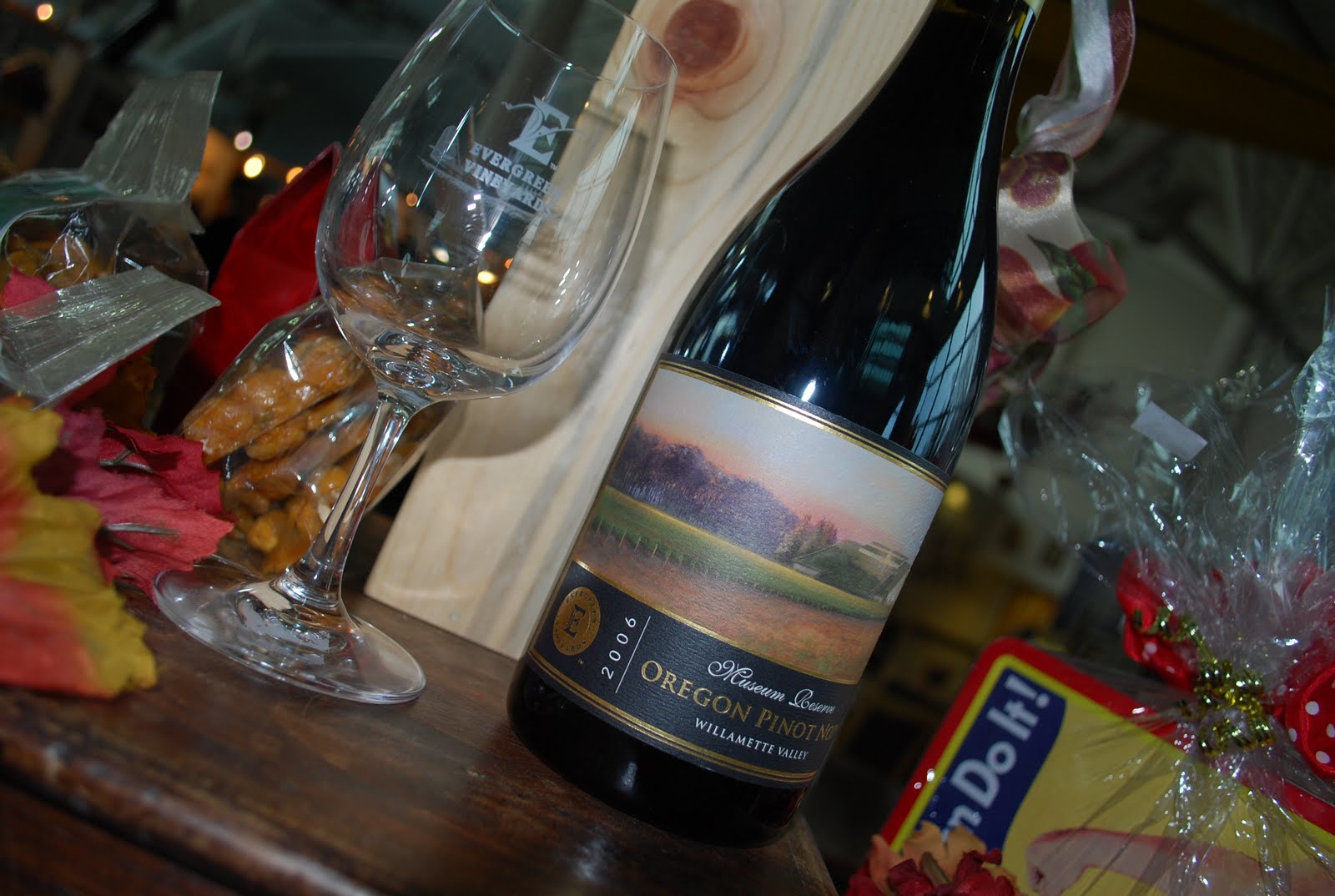
Heading towards Portland, I came upon the Evergreen Aviation and Space Museum campus. The Boeing 747 parked out front was a glimmering beacon in the setting sun, and as if Ground Control was guiding my private jet to the gate, I turned in at the vineyards and followed the runway to the Museum housing the famous Spruce Goose and the Evergreen Vineyards tasting room. A fascinating scene for sipping wine, next to civilian and military aircraft on display and suspended mid-air, the tasting room was like a central hub for guests. The tasting room also sells snacks and gifts, some of which have been produced by one of the company’s side ventures. Founded by Captain Michael Smith of Evergreen Aviation, the extremely diversified company also owns Evergreen Agricultural Enterprises; consisting of Evergreen Vineyards, Evergreen Orchards (the largest grower of hazelnuts in the state), Evergreen Nursery and Evergreen Farms and Livestock.

The wines were surprisingly good for a tasting room located in a… gulp… (trying to say in my most un-offensive voice) tourist trap, but not so surprising when I found out they’re made by Laurent Montalieu (of Solena Cellars) at the NW Wine Company in McMinnville. The 2005 Spruce Goose Pinot Gris had quite a flashy personality for an older girl (many of the area wineries are showing their 2008 whites). Still bright and clean, the beautiful soothing nose of honey and chamomile was delightful and when I sipped it, the wine was lively and playful in my mouth tasting of Now and Later green apple candy, Anjou pear and muskmelon. Another wine that didn’t fly under my radar was the 2006 Spruce Goose Reserve Pinot Noir. With flavors of sweet blackberry jam and Rainier cherries and streaks of nutmeg, vanilla and pepper running through; the wine definitely possessed some intrigue.

Wishing I could just fly home, I returned to my car, and the still empty gas tank. Realizing I was still quite far from civilization, I hoped I would reach the gas station before my lesson of the day became all too painful. Yes, I learned that being un-necessarily stressed out about running out of gas is not the way to tour wine country. Like the view from your car’s side-view mirrors, things are often farther than they appear and it’s actually quite easy to get turned around. So, start out with a full tank and feel good about getting lost in wine country. Until we sip again…

Cheers!
Friday, November 20, 2009

Friends Let Friends Drink Pinot

With an unprecedented number of wineries in 50 of the United States (and more popping up like dandelions in a once grassy field), grabbing a friend and hitting the wine trail for the day could be much easier than you might think. For me, that meant grabbing my friend Krista and making a quick trek to explore the wineries of McMinnville, Oregon.

Too busy being typical gabby girls, we cruised right by our first scheduled stop (Stonewolf—in next blog post) but promptly located Walnut City WineWorks in a quiet residential part of town situated oddly enough, directly across the street from a high school. WineWorks, founded in 2000, is housed in an old walnut processing plant from the 1950’s. It’s currently operating as a wine production facility with four separate brands vinifying and showing their wines on site. In addition to Walnut City WineWorks, you’ll be able to taste Bernard Machado, Z’IVO, Robinson Reserve and Carlton Hill Vineyard. What sets WineWorks apart from facilities like the Carlton Winemaker’s Studio? WineWorks maintains a hand tending the grapes with their sister company that manages over 200 acres of vineyards. Rumor has it; WineWorks’ sister company has grown, grafted and planted over one million vines in the Willamette Valley… and unlike over one billion Big Macs served, that’s a legacy WineWorks can be proud of.

Walnut City WineWorks’ Tasting Room Manager Jennifer Kadell greeted us warmly, poured her wines with clear confidence, presented some factual history of McMinnville I didn’t know (for instance that it was nicknamed Walnut City because of all the area’s orchards and nut processing plants) and then way above and beyond. She made tantalizing recipe recommendations, promoted local dining establishments and told us funny stories (like the one about the high school student who very unsuccessfully tried to pass himself off as a mature wine taster while his friends likely waited outside snickering).

The wines were all very different styles, which Jennifer referred to as one-stop-shopping—offering a wine to please all taste buds. Walnut City WineWorks was showing two vintages of their Pinot noir. The 2006 Reserve was from older vines with a lightly fruity, dried black cherry presence, filled out nicely with spicy pepper, cinnamon and a bit of earth, whereas the 2007 was all bright, zingy, sweet red cherry fruit with some dusty mint—not very complicated but a perfect everyday wine. I particularly enjoyed the 2006 Bernard-Machado Pinot Noir, which I felt was classic Oregon… light, round, fruity and earthy but unfiltered with a fair amount of sediment. Jennifer teased me with a brilliant recipe pairing for their dessert wine (a cracker topped with a piece of honeycomb, goat cheese and chipotle sauce—salty, sweet, spicy, tangy, crunchy, smooth… mmmmmm); which felt a bit like drooling over but not actually ordering anything off a restaurant’s desert menu. To top off a practically flawless performance, Jennifer unknowingly triggered my delicate memory helping me recall the idea I previously had for my next blog post. Thanks Jennifer, you were a blog saver—I had been unproductively staring at my blank computer screen the night before for hours!

Sometimes the best way to plan a wine trip is to pick one winery you’d like to visit and then see what else is nearby. On that day, for Krista and I, Panther Creek Cellars was the one winery we built our day around. Initially founded by Ken Wright in 1996 (who magically turns everything he touches into gold), and then passed around a few times before finally ending up in Liz Chambers’ possession, the winery operates out of McMinnville’s former municipal building and original power plant built in 1923. The building sat vacant for 30 years before Ken Wright purchased it, and with the city’s help, brought it up to code for its current starring role. The winemaker was visibly busy, hard at work with the current vintage still in tank and his mellow dog Zoe at his side, while Krista and I tasted through his stylistically consistent lineup.

Following Ken Wright’s well-trodden path, Panther Creek primarily focuses on single-vineyard Pinot noirs but their cuvees and the 2008 Chardonnay were not to go un-noticed… well not by me anyway. Though 100% stainless-steel fermented, the Dijon-clone Chardonnay possessed a nose full of Granny Smith apples and filled my mouth with lush pear and toasted nuts mysteriously hinting at oak. Since beginning this project, I am now starting to recognize specific vineyards and enjoy seeing what the different winemakers are able to produce with the same fruit. Panther Creek crafted a 2006 Pinot noir from the distinguished and popular Shea Vineyard that was practically erupting with black plum and blackberries, oozing earthy flavors of cocoa and licorice, finishing smoothly with soothing vanilla and sassy white pepper. The 2007 Winemaker’s Cuvee, by contrast, was the more typical cool-climate wine with red cherries, feisty cranberries, a silky mouth and baking spices—I could easily picture this wine alongside my Thanksgiving turkey dinner. Such a revelation reminded me it was time for lunch, so Krista and I headed off indecisively for… somewhere.

We ultimately settled on Bistro Maison on McMinnville’s lively Third Street and lunch was good, nothing to write home about (well nothing to blog about anyway) until the final moment. And had the restaurant handled things differently, I most likely wouldn’t have mentioned it here, but they didn’t and so I will.

So there we were, having enjoyed a satisfying meal, when out comes our check accompanied by a lovely bowl of hazelnuts. Though I was actually rather full, I decided “Oh hell, one nut… here’s this gorgeous bowl full of nuts, who am I to not celebrate in this bounty?” I cracked my first nut and instantly noticed a little white worm wiggling back at me. Surprised (shocked I guess), I kind of threw the nut onto my plate and jumped back several feet. Krista was looking at me with intense curiosity, at which my only reply was to point at the worm… now squirming its way up my plate, waving in my direction (I almost went out to my car to get my camera to snap his photo, and now wish I had). When I brought this to our server’s attention (with the same wordless gesture I used to show Krista and an added nose crinkle for P.U. effect), she laughed and said, “Oh, that’s never happened before” and took our money and walked away—taking with her my plate the worm was doing laps on—and that was the end of that. Now, I wasn’t expecting a free lunch or anything, but come on, is the final thought they want me leaving their restaurant with (to tell all my friends and anyone who reads my blog) is that of worm inching its way across my dinner plate? Really, not even an offer of dessert to wipe that very unappetizing memory from my mind… what ever happened to customer service?

Preferring to think of my worm in its final resting place of someone’s treasured tequila bottle instead of the garbage disposal, our next stop (though unsuccessful on this trip) is worth mentioning. We attempted to visit Anthony Dell, who was actually closed for tasting that day. Anthony Dell is located immediately adjacent to R. Stuart’s winery, whose door was wide open, so we thought we’d poke our heads in and see if they knew about Anthony Dell’s tasting hours and if we were even in the right place. We heard voices and activity, but we never actually saw any people—so we left abruptly, realizing we were on our own, but not without coming up with a whole new blog mission. Though it would be highly illegal, we troublemakers playfully thought it could be funny to take a wine thief and then sneak in, photograph and publish pictures of pirate barrel tastings at various wineries. Does anyone remember the college students who stole some women’s garden gnome, then road-tripped with it, photographing it all over the country and ultimately returned it to the original owner with a photo album documenting its journey? Putting silliness aside (temporarily), we set off for more serious wine tasting.

A visit to McMinnville (and Oregon’s wine country for that matter) isn’t really complete without a stop at The Eyrie Vineyard—Oregon’s very first commercial winery, the first to plant Pinot noir and Chardonnay in the Willamette Valley and the first producers of Pinot gris in this country. Founded by wine pioneers David and Diana Lett in 1966, the winery and tasting room (celebrating its 40th harvest this year) can be found in a refurbished poultry processing plant, which they formerly shared with the Nestle Company, on the outskirts of town. The vineyards are actually located in the Red Hills of Dundee, but when Eyrie was unable to secure funding to build their dream winery on the vineyard estate, they settled the winery in McMinnville and have happily been there since. The Eyrie Vineyard was founded with 3,000 cuttings brought up by car from California and a notion that Oregon’s Willamette Valley had the same latitude as Burgundy, France, and Lett (nicknamed Papa Pinot as the groundbreaker of Oregon Pinot noir) gambled big and won, proving that the region could produce Pinot noir capable not only of standing up to but even rivaling those of France. David’s son Jason is now Winemaker, producing 10,000 cases a year of estate-grown wines with over 50 acres planted of 100% organic vineyards that continue his father’s philosophy of true varietal expression.

Eyrie (pronounced the same but unlike in meaning from the Jamaican “irie”), is actually an old English word meaning “bird of prey’s nest,” named for a red-tail hawk’s nest located in a giant fir tree at the head of the vineyard when it was first planted (images distinctly preserved on the winery’s classically simple label). Jacques was delightfully pouring wines in the tasting room and an example of his French charm and obvious match for Eyrie’s tasting room was his reply to a customer who called asking what time they close—he invitingly said “I’ll be waiting for you till 5:00 pm”.

Inviting me to tasting the most current vintage, the 2007 Chardonnay Reserve showed magnificent with pear, citrus, peach, white flowers and a minerality that laid across my tongue which was enveloped by a cozy blanket of cream. I specifically took pleasure in Eyrie’s 2007 Pinot Meunier, a rustic country cousin of Pinot noir; it was easy to see the relation while retaining its own distinctive personality. The 2006 Pinot Noir Reserve, from original 40-year-old vines and aged two years in neutral barrels then 1.5 years in bottle, was alluring with a perfumed nose of black raspberry, sweet strawberry jam and white orchard flowers. In my mouth, the velvety texture was enhanced by spicy, black cherry pie, wet forest floor and smoke that also packed enough structure to guarantee several more years of quality development (as Pinot noir ages in bottle, the fruit forwardness tends to settle down giving a chance for some of the other flavors to shine). Having sampled a bit of history, we left the simple and understated old tasting room and headed off for some of the new.

R. Stuart & Company (founded in 2001) may produce their wine in a converted old granary but their swanky and modern tasting room and wine bar is actually a few blocks away, downtown on Third Avenue. Krista and I took a load off, enjoying actual bar stools for a change, while Public Relations Associate Nicole Kaseberg immediately set us up with glasses and a chilled glass bottle of water—sweet touch. The wine bar offers R. Stuart wines, local draught beer, creative small bites and ample comfortable seating to enhance and prolong your experience.

Producing the exciting Big Fire brand, R. Stuart was inspired by themes of hearth, home and a passion for wine; which comes through loud and clear with their easy-to-drink wines intended to pair well with just about anything. Another fun side-project for Winemaker Rob Stuart is a non-vintage Rose D’or—a bodacious and bubbly blend of Pinot noir and Chardonnay that was in full possession of apples, honey, herbs and spice. Obviously a complement to any celebration, the versatility of this wine makes it fun for brunch or with anything crusty and savory. The 2007 Autograph Pinot Noir was a lovely blend from a typically difficult and unpopular vintage displaying well-rounded flavors of raspberries, blueberries, mushrooms and rosehips.

On the way out, I noticed the seven “House Rules” printed large on the wall that speak to being true and showing respect for the grower, grapes, wine, customers and friends. I identified strongly with their philosophy, wondering what our world could be if others ascribed to it as well. Rule #7 stood out in my mind, “Good food, good friends, good wine—period,” and on that particular day, I think that Krista and I served that rule well. Until we sip again…

Cheers!